
While community irrigation systems are designed to provide adequate irrigation under optimal conditions, they will struggle to keep the lawns in good health and color under these new skimpy restrictions without adequate supplemental rainfall and regular inspections, maintenance, and repairs. Additionally, the repair sprinkler valve in West Palm Beach is essential to guarantee that your sprinkler and irrigation system serves its purpose.
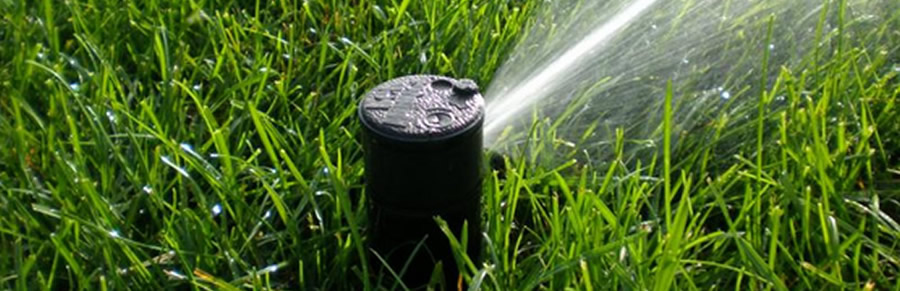
How to Prevent Sprinkler Valves from Going Bad
Sprinkler valves regulate the flow of water that’s going into the irrigation system’s sprinkler heads. Once the sprinkler heads regulated by your sprinkler valve do not start and stop at the designated time, the valve may be going bad and you may need a repair sprinkler valve in West Palm Beach. Generally, a sprinkler valve has 2 components that often malfunction –the solenoid and the diaphragm. Though the diaphragm ordinarily is the problem, a lot of individuals change the solenoid first because it is easier to change.
If a sprinkler valve seems to be broken as when it malfunctions, the problem may be a defective diaphragm, a rusted valve pin, or corroded or damaged electrical wire. If a sprinkler valve cannot be switched on, you may have a broken screw or the solenoid may be rusted. A worn outstretched or torn diaphragm will likewise keep the valve from turning off. Thus, a repair sprinkler valve in West Palm Beach is required to fully identify and fixes the irrigation problem.
There are instances when sprinkler valves remain open and stuck. The 2 common reasons for this is that air is trapped in the valve or the valve needs to be throttled. For valves with air trapped in them, a small bubble of air gets stuck in the small water ports of the sprinkler valve. Because of this, the flow of the water is prevented and cannot go through with the regular process.
Before assuming the worst, there's a quick way to check whether a valve is actually failing or just needs an adjustment. Try this:
If your valve fails any of these checks, age is also worth considering. Most residential sprinkler valves last 10 to 15 years with normal use, though valves exposed to sandy soil, hard water, or frequent cycling (common in West Palm Beach's rainy season) can wear out sooner. A valve within that age range showing any of the symptoms above is usually more efficient to repair than replace outright.
If you've run through this checklist and you're still not sure what you're looking at, that's exactly the kind of diagnosis a professional repair sprinkler valve in West Palm Beach visit is built for—a technician can pinpoint whether it's the solenoid, the diaphragm, or the valve body itself in a single visit.
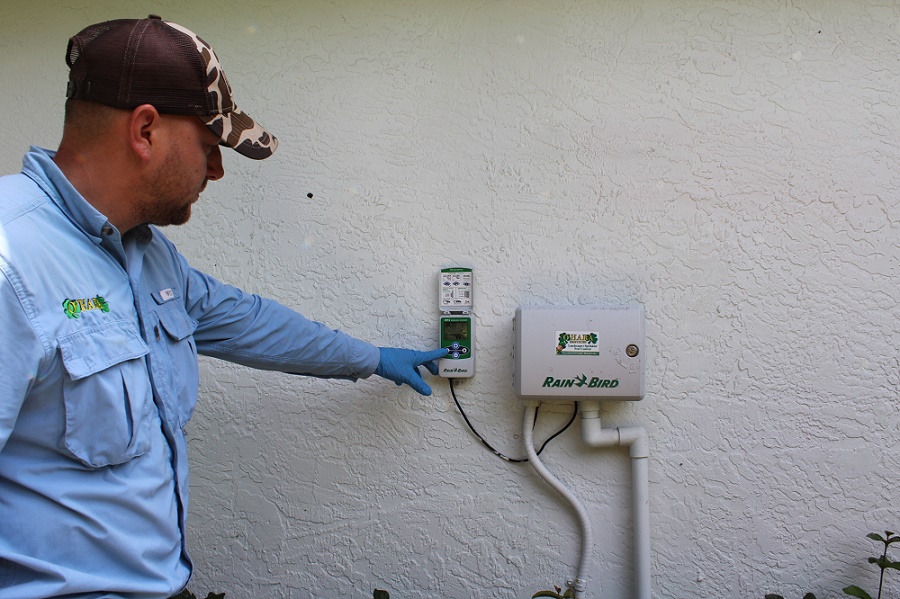
O’Hara Landscape, a sprinkler valve company, will maintain your sprinkler valve and service your sprinkler valves. Contact us today!
