Florida weather keeps homeowners on their toes. Heavy rain, high winds, and hurricanes can do more than knock down branches—they can quietly damage your irrigation system.
If you’re searching for West Palm Beach sprinkler repair, it’s helpful to understand how storms affect sprinklers and what to inspect once the weather clears. A little awareness goes a long way toward preventing bigger repairs later.

Excess rain saturates soil, shifting underground pipes and fittings. This movement can crack lines or loosen connections. Leaks often appear as soggy patches or reduced water pressure days later.
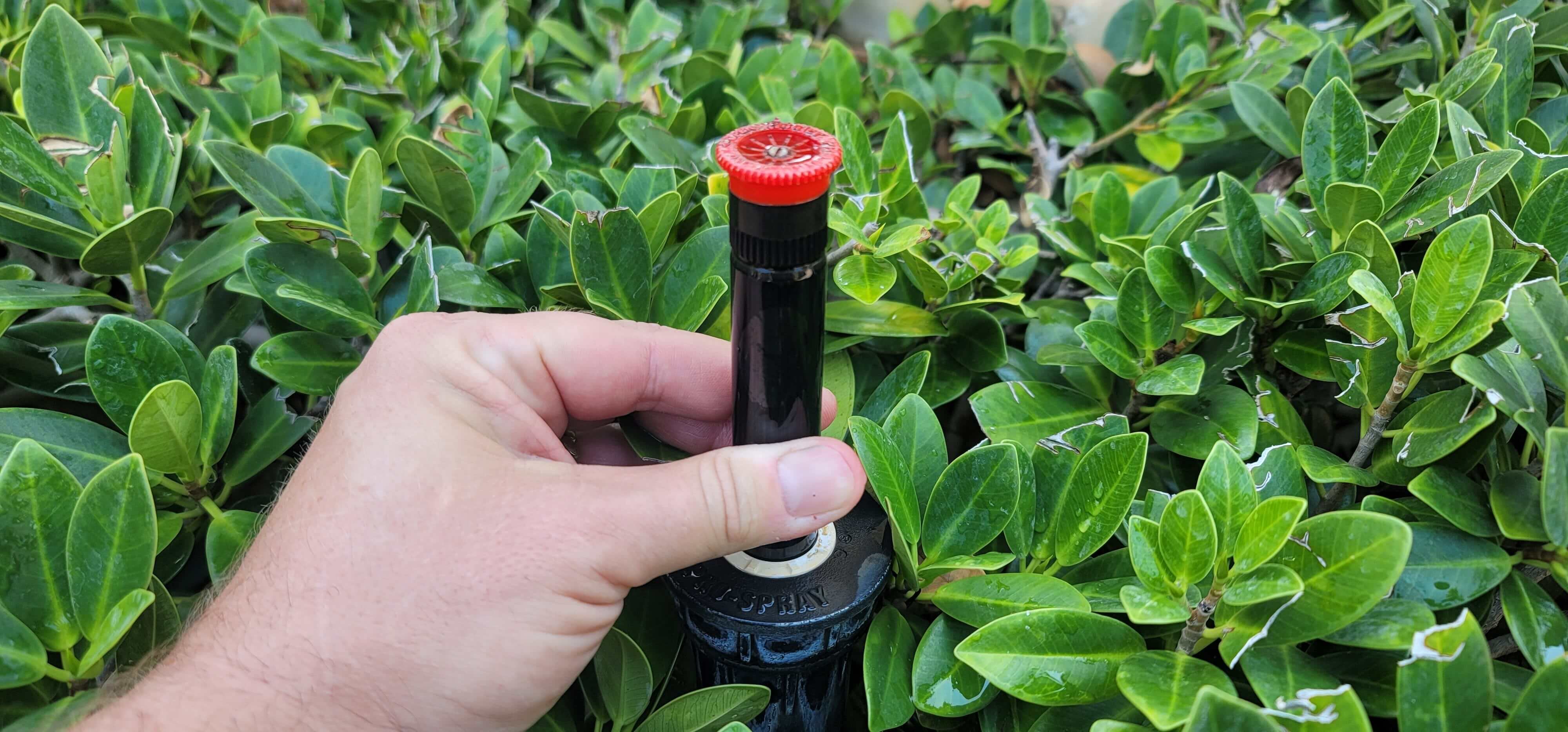
Strong winds can snap sprinkler heads, bend risers, or knock heads out of alignment. Debris may clog nozzles, causing uneven spray or misting that wastes water.
Power surges and outages during storms can scramble controller settings or damage wiring. Zones may stop running or water at odd times. These problems often go unnoticed until the lawns start to dry out.
Heavy runoff washes away soil around heads, leaving them tilted or buried. Poor head positioning reduces coverage and stresses grass and plants.
You can reduce storm damage before the first raindrop falls. When heavy rain or a hurricane is forecast, switch your controller to rain delay or turn it off to prevent the system from running on saturated ground. Clear leaves and debris from around sprinkler heads and valve boxes so water can drain freely, and make sure you know where your irrigation shutoff valve is. Taking these few steps in advance can limit flooding and clogging.
It also makes any follow-up West Palm Beach sprinkler repair faster and simpler if your system does take a hit.

Storm damage doesn’t have to ruin your lawn. Fast action and expert care keep your irrigation system running smoothly year-round. For dependable inspections and repairs, trust O’Hara Sprinkler.
Contact O’Hara Sprinkler today to schedule your post-storm check and protect your landscape with confidence.
